
Health, Well-being & Societal Impact
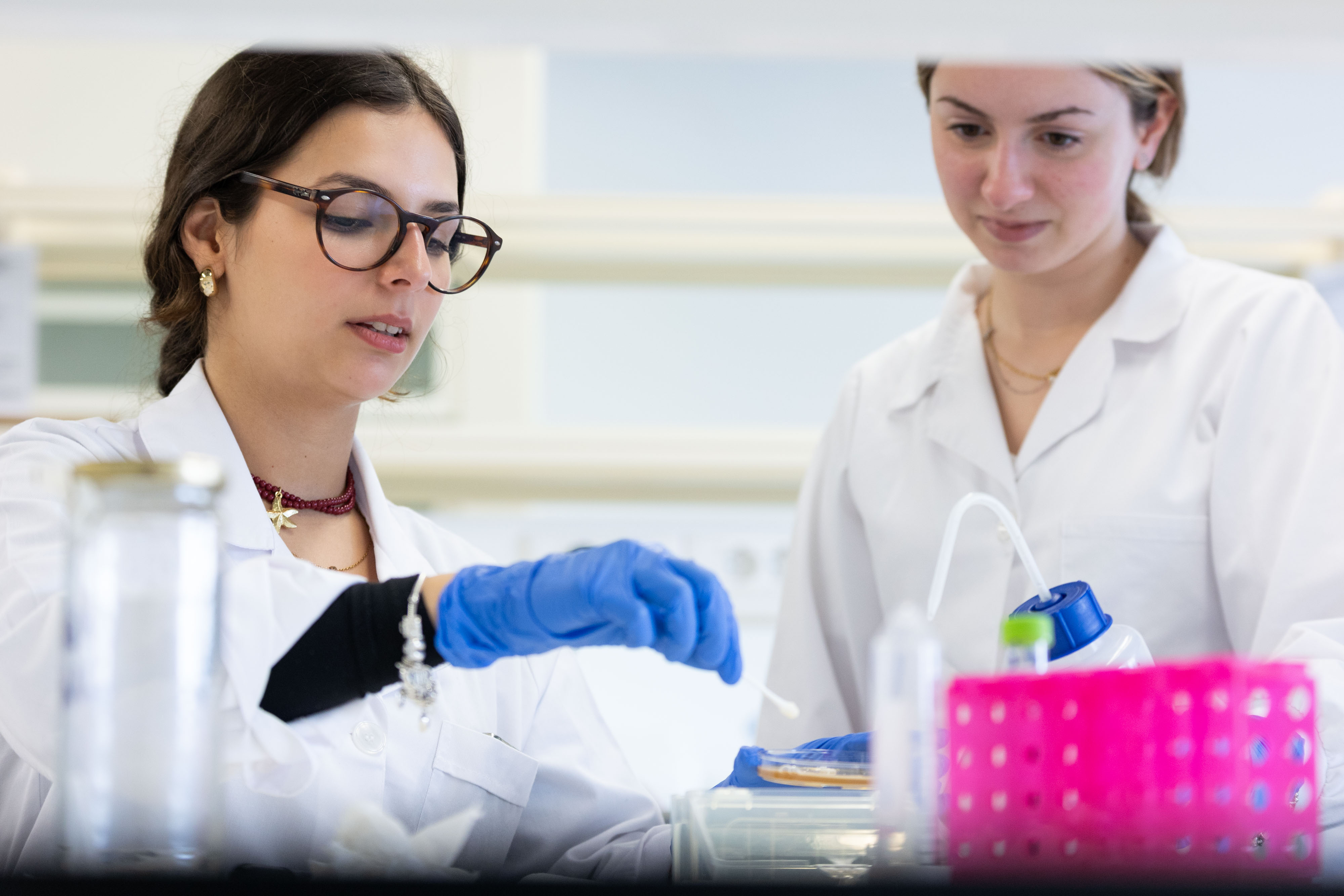
LifeLab Dublin: Co-Creating Health Literacy for Societal Impact
LifeLab Dublin: Co-Creating Health Literacy for Societal Impact
This session presents LifeLab Dublin, a participatory health literacy programme at Dublin City University focused on co-creation and educational innovation. Bringing together learners, educators, researchers, and societal partners, the initiative empowers young people to promote health and wellbeing through research-informed projects, internships, and challenge-based learning. Undergraduate students play a central role, gaining practical experience while contributing to real-world impact. The session highlights how LifeLab Dublin connects education, research, and community engagement, and shares transferable insights for embedding co-creation, student partnership, and impact-driven learning across the ECIU University network.
Hannah Goss (DCU)
Futuremakers of Next-Gen Hospitals: Digital Avatars, Bioengineering and AI Medicine
This Lightning Talk explores how personalized medicine is becoming a reality in today’s hospitals, driven by the convergence of digital twins, bioengineering, and artificial intelligence. Focusing on three key shifts, predictive digital models of patients, real-time diagnostic innovations, and AI-supported therapies, the session illustrates how these technologies work together to transform patient care and disease prevention. Through real-world examples, the talk also highlights emerging career pathways in precision medicine and the skills needed to engage with this rapidly evolving field.
Gracia Del Pilar Sánchez López (UAB)
“Listening to Care”: A Success Case in Co-creating Pediatric Hospital Well-being via CBL
This session addresses the question “How can we care if we don’t listen?”, focusing on the challenge of childhood invisibility in clinical settings and the need to amplify young patients’ voices. It presents the institutional strategy of Autonomous University of Barcelona in embedding Challenge-Based Learning (CBL) within Bachelor’s Theses and courses, highlighting the university’s role in enabling ethical, mentored, and impact-driven collaboration with healthcare partners such as Sant Pau Hospital. Through the “Listening to Care” case study, the session showcases co-creation methods with pediatric patients and resulting proposals to improve hospital well-being. It concludes with reflections on students as futuremakers and the potential to replicate this CBL-based model in other contexts.
Paula Ignoto Mendoza (UAB)